
The Faculty of Agriculture at Universitas Gadjah Mada (UGM) continues to support students in expanding their academic perspectives, intercultural experiences, and international networks through various student mobility programs. One of these initiatives is the Asian International Mobility for Students (AIMS) Programme, a student exchange scheme involving universities and institutions across Asia.
Sherly Aurora Cahyadewi, a student from the Faculty of Agriculture UGM, had the opportunity to participate in the AIMS exchange program for one semester at Gyeongsang National University (GNU), South Korea. Through the program, students are able to engage in academic activities at partner universities while gaining firsthand experience in adapting to different educational systems, cultures, and social environments abroad.
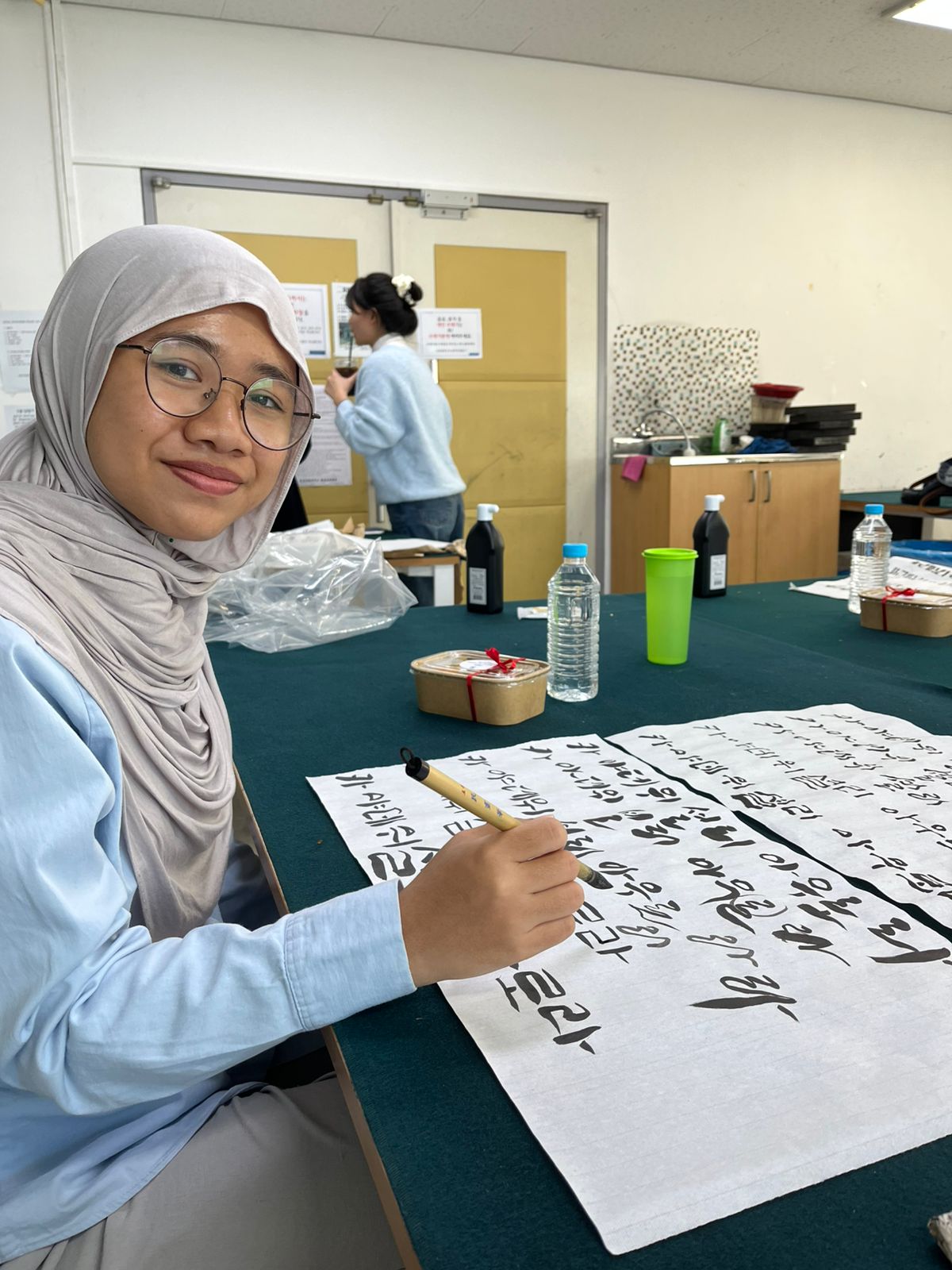
“The exchange program I joined was AIMS, or Asian International Mobility for Students, organized through the Faculty of Agriculture UGM. Many countries and universities are involved in AIMS, but for our faculty, the program currently includes collaborations with Ibaraki University, Tokyo University of Agriculture and Technology (TUAT), and Gyeongsang National University. I was fortunate to be selected for an exchange at Gyeongsang National University in South Korea,” Sherly explained.
During her exchange period, Sherly gained valuable academic and personal experiences. Through the courses she attended, she broadened her understanding of agriculture from different international perspectives and learned from lecturers with diverse academic backgrounds. She also had the opportunity to study under professors from both South Korea and the United States. “My exchange experience was incredibly exciting. I learned so much—not only about agriculture in different countries, but also from the courses I took and the perspectives shared by international lecturers. I was taught by professors from Korea and the United States, which greatly broadened my outlook,” she said.
Beyond academics, one of the most memorable aspects of the program was the opportunity to build friendships with students from various countries, including the Philippines, Vietnam, China, Kyrgyzstan, Nigeria, Malaysia, Myanmar, and South Korea. According to Sherly, these relationships became one of the most meaningful parts of her experience because they provided valuable lessons in cultural diversity, tolerance, and global communication.
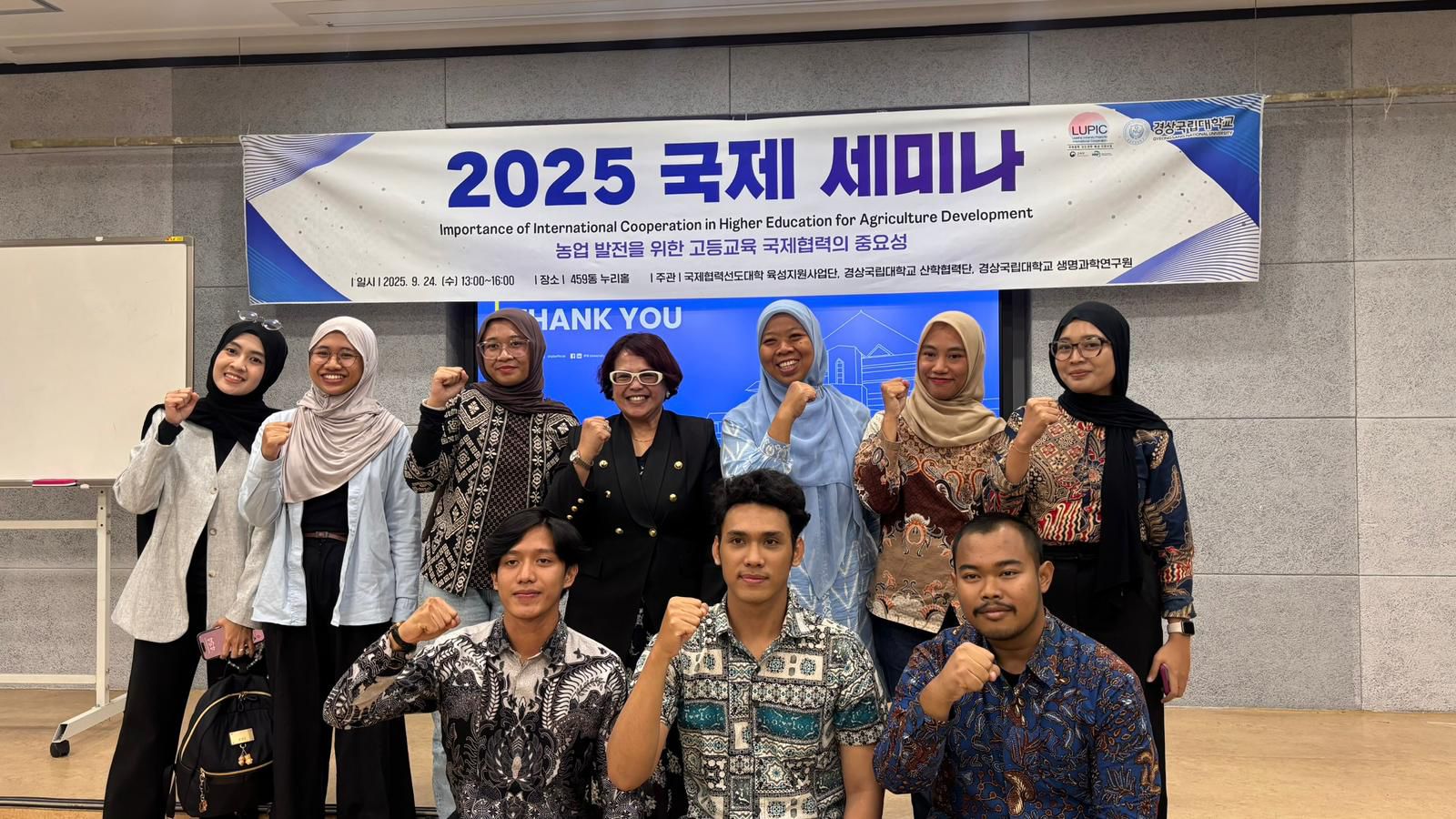
“Building relationships is one of the things I am most grateful for. I learned so much from my friends about cultural differences and tolerance. Meeting people from different countries truly broadened my perspective,” she shared.
Studying abroad also provided lessons that could not easily be obtained through domestic education alone. In addition to academic enrichment, the experience helped her develop adaptability, cultural awareness, language skills, and independence. These experiences were particularly significant because she lived in a country where Muslims are a minority.
She also learned to communicate with local residents in Jinju despite her limited Korean language skills. This challenge became an important part of her adaptation process, as many local residents did not regularly use English in daily communication.
“The advantages of studying abroad are tremendous. I gained experiences that I would not have had in Indonesia, learned a new culture and language, and developed the ability to live independently in a foreign country. I also learned how to adapt, especially as a Muslim living in a minority environment,” she explained. At the same time, Sherly emphasized that studying abroad comes with challenges. The process begins long before departure, particularly in preparing documents and fulfilling visa requirements. Once in South Korea, she had to manage her finances carefully, find halal food options, locate places of worship, and overcome language barriers.
“Rather than disadvantages, I would describe them as challenges. From preparing documents and applying for a visa to budgeting for the entire exchange period, finding suitable food, and locating places of worship, there were many things to manage. The language barrier was also significant because my Korean language skills were still limited,” she said. Language barriers became one of the most significant challenges during both academic and social activities. In some classes, lectures and learning materials were delivered partly in Korean, making classroom participation more demanding. Communication with local students and residents also required patience and creativity.
“Sometimes it was difficult both inside and outside the classroom because professors often explained concepts in Korean, and some course materials were also in Korean. Interacting with local students and residents was not always easy because many of them did not speak English, so we occasionally relied on gestures and nonverbal communication,” she added. Throughout the exchange, Sherly found inspiration in South Korea’s development across various sectors, including agricultural research, urban planning, education, technology, and social innovation. She observed that Korean society demonstrates adaptability, discipline, and innovation, qualities that motivated her to continue learning and improving herself.
“What inspires me most is seeing how Korea has advanced its country. From agricultural research and technology to urban development and education, they are highly adaptive, disciplined, and innovative. That motivates me to keep learning and growing,” she explained. She also believes that Indonesia has significant potential to achieve similar progress, particularly as more young people recognize the importance of education. According to her, studying abroad equips students with new perspectives that can contribute positively to society upon their return.
For students interested in participating in exchange programs, Sherly encourages them not to hesitate when opportunities arise. She emphasized the importance of preparing essays, English proficiency tests, supporting documents, and other requirements well in advance. She also recommends learning about the language and culture of the destination country, especially if it is not an English-speaking nation.
“My advice is simple: don’t be afraid to apply. If it is meant to be, there will be a way. Prepare your essays, English proficiency tests, and all requirements carefully, and don’t wait until the deadline. Learn the local language and culture, even practical things such as how to use public transportation, because local residents may not always speak English,” she advised.
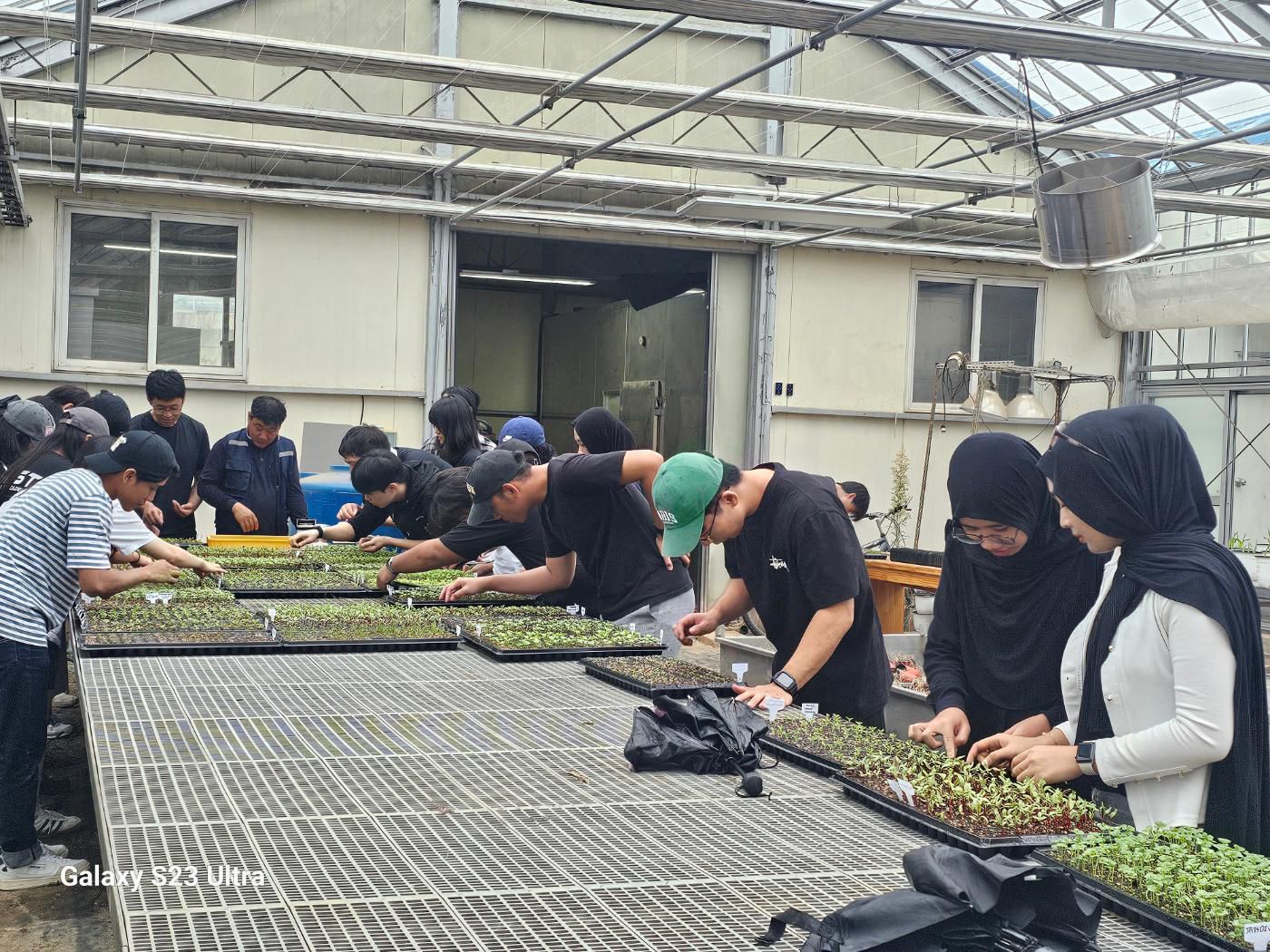
Sherly also encourages future exchange students to set clear goals before departure. By identifying what they hope to achieve, students can maximize their time abroad academically, culturally, and socially. “Set goals for what you want to accomplish while you are abroad. Once you are accepted, explore as much as possible—not only academically, but also culturally, socially, and personally. Take every opportunity to learn about your host country and build meaningful relationships,” she concluded.
The participation of Faculty of Agriculture UGM students in the AIMS Programme at Gyeongsang National University reflects the faculty’s commitment to strengthening students’ global competencies, expanding academic horizons, and fostering international networks. The experience aligns with UGM’s mission to promote quality education, cross-border knowledge exchange, and the development of globally competitive graduates.
This activity contributes to the achievement of SDG 4 (Quality Education), SDG 10 (Reduced Inequalities), and SDG 17 (Partnerships for the Goals).
Author: Faeydza Dumyati Ali
Editor: Desi Utami